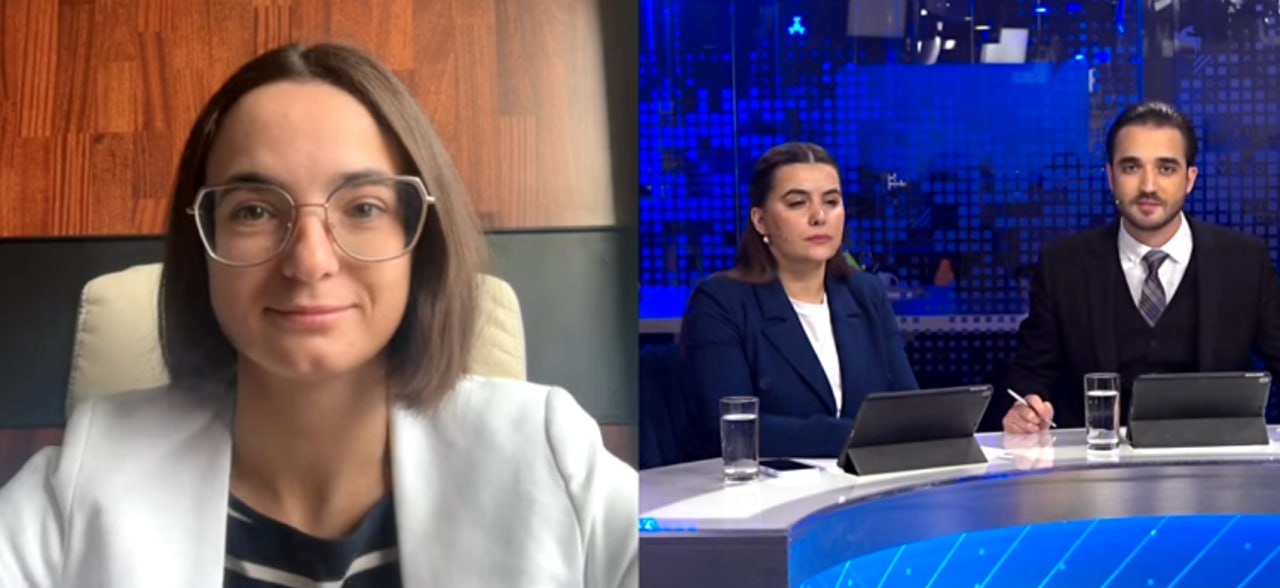
Tetiana Skrypchenko, Project Manager, Deputy Director of «Rating», and expert at Rating Lab, told «Podrobytsi» about the situation with Ukrainian refugees in Europe, the likelihood of their return to their homeland due to the reduction of social benefits. They also touched upon the topics of assimilation and the attitude of the local population towards different categories of refugees from Ukraine.
Will the reduction in social benefits change the dynamics of Ukrainians returning home from abroad?
We know that Ukrainian refugees in Germany have faced a serious bureaucratic problem in establishing their status there. For example, finding accommodation, obtaining documents, and finding employment were all quite challenging stages that required a lot of time. If they have already gone through this process, they will probably stay there because they have already done enough to try to adapt.
We know that many refugees who were initially in Poland have moved to Germany. The level of economic opportunities for Ukrainian refugees in Germany remains significantly higher than in Ukraine or in other countries, such as Eastern Europe. Therefore, the decision to stay there permanently is quite likely for them. The reduction in social benefits in Germany is an attempt to encourage Ukrainians to find employment and learn the German language.
**What is the current attitude towards refugees from Ukraine? **
In general, Ukrainians, especially women with children, are well-received. However, when it comes to other categories, the attitude may be worse. For instance, women without children still experience quite warm treatment, but not as positive as women with children. When it comes to men, the situation is markedly different: most are perceived very negatively, especially those who left during the war. Older refugees are usually accepted normally, but young students may encounter worse treatment, especially if they are male students.
Regarding the perception of Ukrainians abroad, it may vary depending on the region. In Northern Europe, including Scandinavian countries, the attitude is usually very warm. In Eastern Europe, it is rated slightly worse by refugees, closer to neutral. In Germany, particularly in the western part, the attitude is also predominantly positive, but it may vary depending on the category of migrants.
Is there a difference in attitudes toward first and second wave refugees?
First-wave refugees are usually very well-received, but with each subsequent arrival of new migrants, attitudes may deteriorate. This could be related to increased competition in the job market and stereotypes. As for the migration of Ukrainians within Europe, they may choose different countries to live in depending on their preferences and opportunities. For example, some move from Poland to Germany due to better living and working conditions.
Have many refugees severed relationships with partners in Ukraine?
We have investigated the issue of how the relationships of Ukrainians who already had partners in their home country have changed after moving abroad. It turned out that every sixth person had already ended these relationships after moving abroad. Some of them have already formed new romantic relationships in their new location, and it's not necessarily with foreigners. Many choose relationships with other Ukrainians abroad because it seems easier to them. This has a significant impact on their decision to return to Ukraine because once they have formed a new family or entered into relationships abroad, they are unlikely to consider returning.