Child and family psychologist Svitlana Roiz worked as part of a group of professional child psychologists and experts in social and behavioral changes at UNICEF. The research laboratory Rating Lab developed an original test on the knowledge of mine safety rules and the identification of potentially dangerous behavior for children aged 10-17. This test formed the basis of a quantitative telephone survey of parents and a quantitative online survey (testing) of children. Additionally, a series of focus group studies with children was conducted.
In an interview with Radio NV, Mrs. Svitlana discussed the work on the test, how to talk to children about the threat of explosive objects without frightening them, who is more prone to risky behavior, and how cartoons and comics can help in conversations. We publish selected theses and quotes.
Based on the results of the research and my experience as a mother and psychologist, I know that we need to talk to children at least once a month. According to the research, preteens and teens expect and consider such conversations necessary once every three months.
What exactly is knowledge about mine safety? It is the child's ability to identify danger and potentially dangerous situations, as well as knowledge of the safe course of action. This means both knowledge and behavior. It is not enough for us to show what explosive objects look like; we need to be confident that the child will choose safe behavior. We need to teach children in four components. First, I will explain what these components are, and then we will consider how to achieve this.
First, how to recognize explosive objects and what they look like. Here we tell children that enemies deliberately choose the most inconspicuous colors, such as green, gray, brown, and we show UNICEF research pictures. I collaborate with UNICEF on mine awareness. We understood that we need to show not just drawn objects but how they look in reality. So we show photographs to help the child distinguish the object. Next, we explain where these objects might be located. These are potentially dangerous areas where there were military actions—these are de-occupied territories, but we also say that these can be any areas.
According to the research, children recognize the sign “caution – mines,” but they do not identify the red and white tapes that mark dangerous areas. Then the next step is what to do if they see an explosive object. Because we cannot predict where cluster munitions will be, for example, like in our village council after the shelling.
What do we know from the research? The good news: about 80% of children were able to identify potentially dangerous objects. The bad news: about half of the surveyed children are at risk of engaging in dangerous behavior.
For example, teens are generally prone to risky behavior. Most often, these are older boys and children living in villages and small towns. Dangerous behavior is "when I know I shouldn't do this, but I might try."
And you know what was, I wanted to say “surprising” but not surprising? Psychologists have long said that there is a correlation between the computer games children play and the behavior they may choose. Children who choose to play games where there is an illusion of immortality, i.e., games in which the character can die and resurrect in the next round.
If a child often plays such games, they then choose risky behavior. According to the survey results, it was surprising to me that we must consider this in mine awareness. It is both good and bad news. We had such a question; I was involved in creating this test: if someone near you, one of your acquaintances or strangers, was injured by an explosion, by a grenade, what are the correct actions? 44% of children and almost 60% of parents gave incorrect answers. We are altruists, and the first reaction of children is a risky one—we run to help.
Another thing that was unexpected for me and that we need to address: only 33% of children and almost 60% of parents gave incorrect answers to the question about the single emergency number to report a dangerous object. Our single emergency number is 101. What UNICEF is doing, what is written on all the billboards: as soon as we encounter any danger, we have a few necessary actions, and thus we form the correct behavior—non-risky. If you see something dangerous—do not approach, do not touch, call 101. Inform adults, call 101.
When we prepared the test, we analyzed SES statistics. And it was horrifying for me that explosive objects are hidden in buttons, flashlights, and toys.
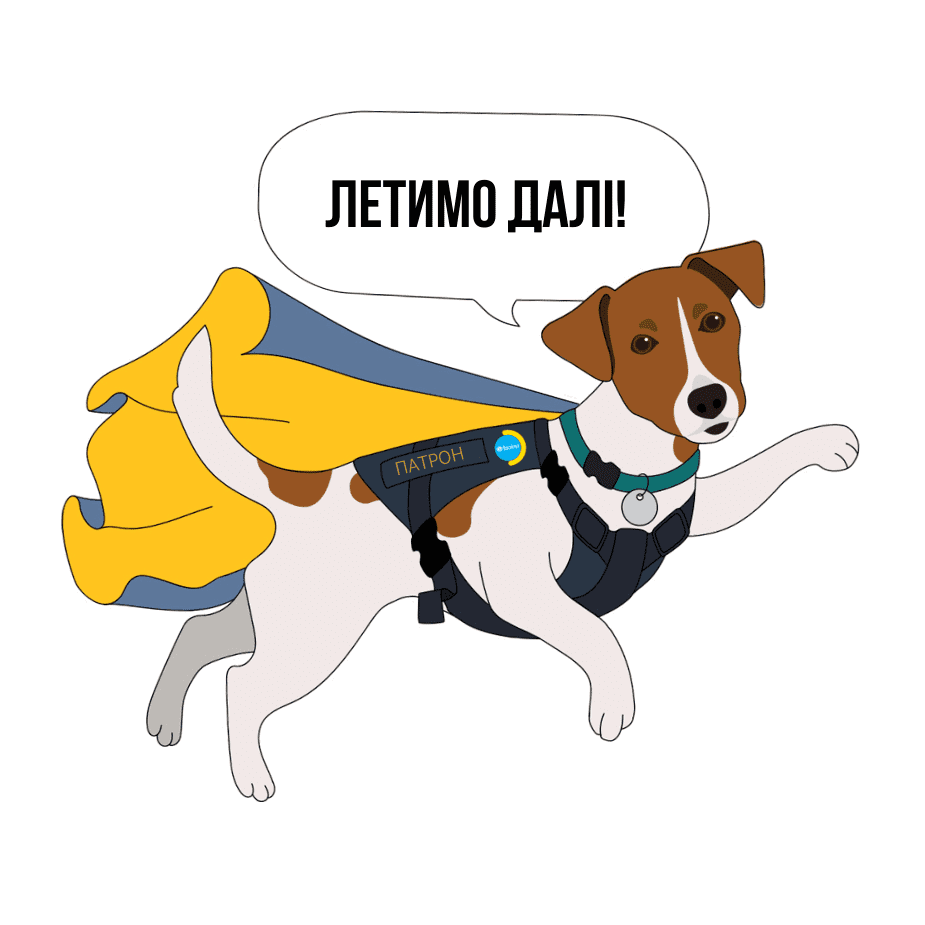
According to the research, children perceive information well from Patron the Dog, from comics, and then according to age. When we communicate, when we want to convey information to younger children, their channel of authority is directly their parents. Parents suggest watching cartoons together and then can discuss them. For a young child already attending kindergarten, parents and educators can suggest something to discuss, but the focus of authority is on the parents. For younger school-age children, the focus of authority is still on the parents, but teachers can already provide information.
According to the research, younger school children are afraid of SES specialists if there is no safe adult nearby. A safe adult is a teacher. And teenagers, naturally, perceive SES specialists more as experts and expect to receive information from them. They already take tests, participate in quests, and many projects are now created for them. I really like what UNICEF is doing now. Everything is designed for a very diverse audience. So we start with Patron the Dog and then gradually move to comics, testing, and online courses.
You can see the infographics at the link