Recently, at the event “Reintegration and Support of Ukrainian Veterans” in Washington, crucial and painful issues about the future of Ukrainian veterans were discussed.
Serhiy Volynskyi (Major of the Ukrainian Armed Forces, defender of Mariupol, Hero of Ukraine) presented Ukraine’s first unique in-depth study on veterans’ adaptation problems, conducted by the Rating Lab Research Laboratory on behalf of the Stalevi Foundation.
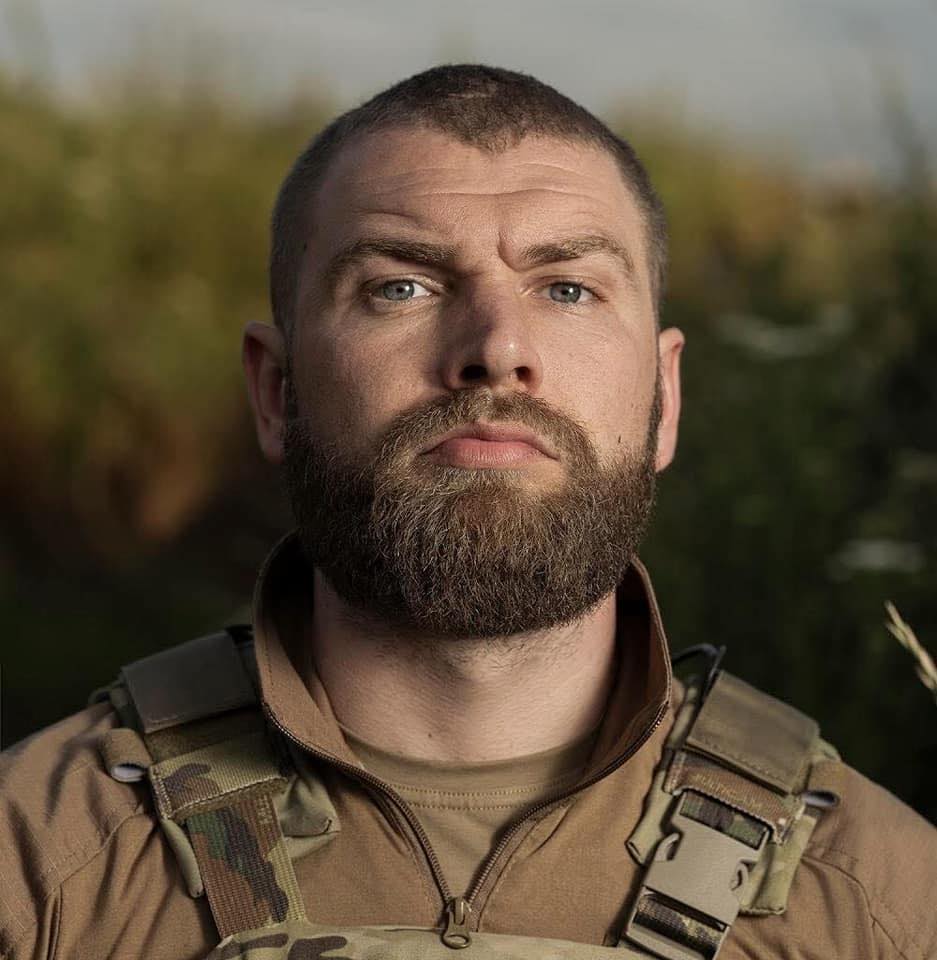
Serhiy Volynskyi, Major of the Ukrainian Armed Forces, defender of Mariupol, Hero of Ukraine, emphasized the importance of research on the future adaptation of veterans.
"The research conducted by Rating Lab is of utmost importance for the future adaptation of veterans. Over a million soldiers will return to civilian life after the war, and this research lays the foundation for the development of effective government programs and private business initiatives aimed at supporting them.
The main grievance among the military is civilian indifference to the war and the devaluation of their work. This is not just an emotional issue—it is a challenge for our society, which must prepare for the integration of veterans. The military sees the greatest threats in the post-war period as the devaluation of their contributions, corruption, and the potential recurrence of war. These are issues that require immediate attention from both the state and society,” said Serhiy Volynskyi.
“The research also shows that combat veterans expect material support, but they also aspire to be active members of society, preferring a 'fishing rod'—opportunities for work or business. Their families, on the other hand, often emphasize the need for 'fish'—social benefits. This balance between the desire for self-realization and the necessity of support must be considered in both government programs and private initiatives.
Our task now is not only to develop programs that meet the real needs of veterans but also to actively shape public opinion so that every veteran feels supported and recognized for their contributions. Through the combined efforts of the state, business, and society, we can create conditions for a dignified future for our heroes,” concluded the Hero of Ukraine.

Marianna Tkalych, Director of Rating Lab: "The adaptation of soldiers returning to civilian life is a topic for the future; this is a prognostic study."
“This is the first large-scale study on the adaptation of veterans and demobilized soldiers. It is unique due to the sample size, as we studied demobilized soldiers from various categories: officers, non-officers, those with severe injuries, and those without. We also examined their partners (wives/husbands), family members (parents, siblings), and ordinary civilians. An important part of the study was the return of veterans to the workplace and interaction with colleagues. The research included a quantitative component (4,235 respondents), in-depth interviews, and focus groups with these categories, covering a wide range of issues.
In the report, we cover topics such as 'Emotions and Relationships Between Soldiers and Civilians,' 'Main Difficulties,' 'Material Assistance,' 'Social Assistance,' 'Employment,' 'Threats,' and 'Dreams.' We explored emotional issues, and the attitudes of veterans and society towards each other. We also examined social and material support as seen by veterans and other study groups. Based on this, we developed guidelines on how to communicate with demobilized soldiers from the perspective of all study groups.
This research has practical applications, including workplace-related data and recommendations for interaction and communication. Its uniqueness lies in the thorough examination of the topic from all angles. This is a forward-looking, prognostic study.”